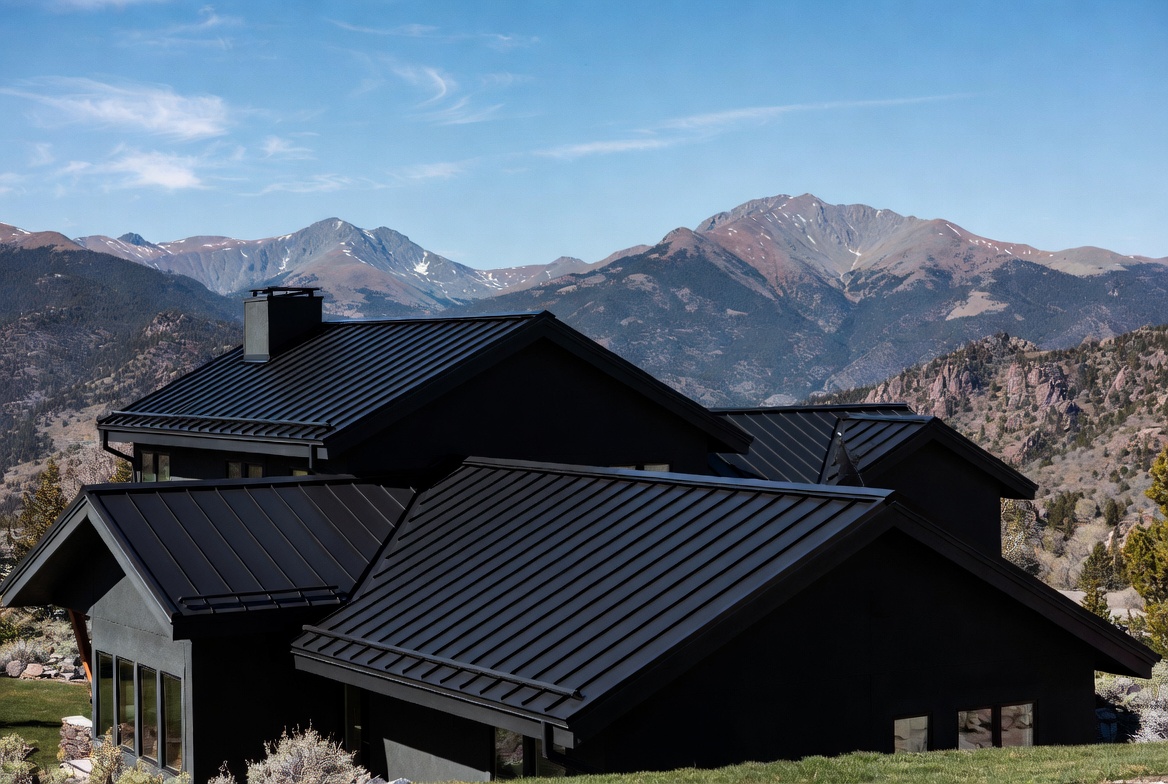
Standing seam & profiles
Metal roofing for Front Range wind and sun
Engineered clips, clean lines, and finishes rated for mountain UV — installed to manufacturer specs for full warranty coverage.
Systems we install
Metal isn’t one product — panel width, seam height, clip spacing, and underlayment class all change how a roof performs in hail and high wind. We model options for your pitch, snow slide paths, and whether you want a modern standing seam look or a stamped shingle-style panel.
At altitude, paint chemistry and fastener detail matter. We follow factory layouts for ridge, hip, and valley transitions so you don’t lose warranty coverage at the first inspection.
- ✓ Mechanical seam standing seam — double-lock or snap-lock profiles per wind zone and manufacturer tables.
- ✓ Exposed-fastener agricultural / architectural — budget-friendly where clip systems aren’t required; we set realistic lifespans.
- ✓ Underlayment & ventilation — high-temp ice and water shield, synthetic slip sheets, and balanced airflow at ridges.
- ✓ Snow guards & trim — engineered layouts so sliding snow doesn’t wreck gutters or entries.
At a glance
| Profile | Seam / fasteners | Wind | Best for |
|---|---|---|---|
| Mechanical seam | Field-formed, hidden clips | Highest tier when engineered | Steep residential, mountain |
| Snap-lock | Factory or site roll-formed | Strong (clip spacing critical) | Clean modern homes |
| Exposed fastener | Screw-through panels | Good with correct pattern | Budget, accessory buildings |
Google reviews
850+ reviews
Metal rewards good installation
A metal roof that pops oil-canning or leaks at a ridge cap is almost always a detail problem, not the panel brand. Our reviews reflect tight trim work, honest conversations about cost trade-offs, and crews who don’t rush clip spacing.
Helpful guides
Before you choose a panel system, compare the best roofing materials for Colorado homes and review roof lifespan expectations.
FAQ — metal roofing
Is metal louder than shingles?
With proper deck, underlayment, and attic insulation, most homeowners don’t notice a difference in rain noise versus asphalt. We’ll talk through assembly if sound is a concern.
How does metal handle hail?
Steel and aluminum dent differently than shingles; factory paint warranties address finish damage on qualifying products. We’ll show hail ratings and real-world expectations for your panel choice.
Is metal more expensive than shingles?
Upfront cost is usually higher, but service life and energy reflectivity can offset that over decades. We’ll compare installed price and realistic replacement cycles side by side.
Do I need snow guards?
Often yes above entries, driveways, and lower roofs that catch slide paths. We lay out guard spacing per manufacturer engineering so you’re not guessing.
Can you metal-over my old shingles?
Sometimes, if code allows and the deck is sound — but it’s not automatic. We inspect for weight, trapped moisture, and nail pattern before recommending overlay versus tear-off.
From quote to finished metal roof
- 1 Measure & profile pick Panel type, color, and trim package.
- 2 Quote Fixed price with warranty tier and snow plan.
- 3 Fabrication & install Factory or field-formed panels to spec.
- 4 Walkthrough Fastener check, trim review, warranty packet.
Compare options
See metal next to shingle pricing
We’ll run two assemblies so you can pick on total cost of ownership — not hype.