Low-slope specialists
Flat & low-slope systems that drain
TPO, EPDM, and modified assemblies with insulation and detail work at drains, scuppers, and parapets.
Membranes & assemblies
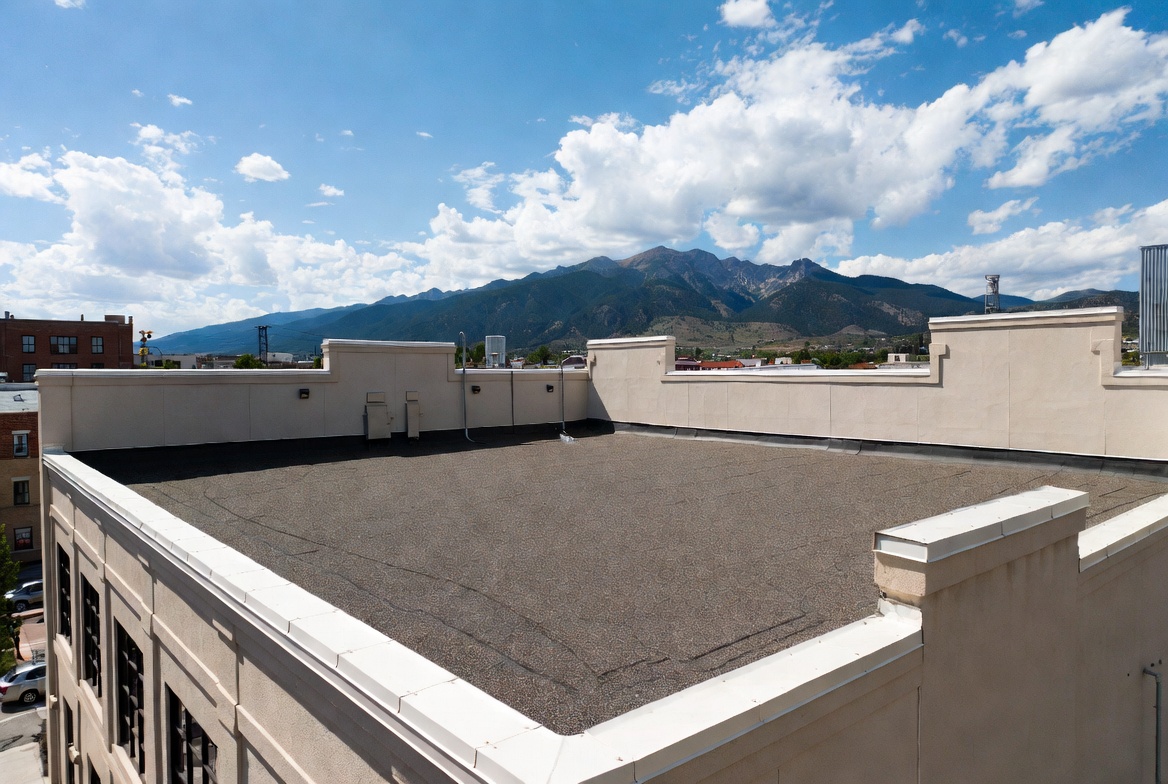
Flat roofs fail at transitions — parapet wraps, HVAC sleepers, and internal drains. We design tapered insulation when ponding is chronic, replace wet deck sections, and heat-weld or fully adhere seams per the manufacturer’s manual, not “what’s fastest today.”
Reflective white TPO can cut summer cooling load; EPDM remains a workhorse for ballasted or adhered builds. We’ll match the system to traffic, chemical exposure, and your warranty goals.
- ✓ TPO & PVC — welded seams, reflective sheets, walk pad layouts for maintenance traffic.
- ✓ EPDM — ballasted, adhered, or mechanically attached with seam tape or liquid flash where specified.
- ✓ Modified & BUR — multi-ply capsheet work and flood coats at tie-ins.
- ✓ Coatings & restorations — where substrate quality supports a manufacturer-approved recovery system.
At a glance
| Membrane | Seams | Reflectivity | Notes |
|---|---|---|---|
| TPO | Heat-welded | High (white) | Common on retail / offices |
| EPDM | Tape or liquid flash | Low unless coated | Flexible, proven track record |
| PVC | Heat-welded | High | Grease / chemical exposure |
Google reviews
850+ reviews
Details separate a dry roof from a callback
Owners remember whether drains were cleared during the job, whether parapet metal was reset properly, and whether someone answered the phone after the first rain. That’s what our review history is really measuring on low-slope work.
Helpful guides
For low-slope planning, review repair vs replacement and roof lifespan factors before you commit budget.
FAQ — flat & low-slope
Why is water ponding on my flat roof?
Often structural sag, crushed insulation, or blocked drains. We map low spots with core samples and discuss re-leveling versus localized repair.
TPO or EPDM — which is better here?
Depends on reflectivity goals, foot traffic, chemical exposure, and attachment method. We quote apples-to-apples assemblies so you’re not comparing mismatched warranties.
Can you add insulation during replacement?
Usually yes — we model R-value targets for code and energy goals, and flag door or curb height impacts before you commit.
Do coatings replace a new membrane?
Sometimes as a qualified recovery over sound insulation and deck — not for saturated assemblies. We moisture-scan and pull cores before recommending coatings.
How long does a commercial flat re-roof take?
Square footage, tear-off depth, and weather drive the calendar. You’ll get a phased sequence before we mobilize so operations can plan around active areas.
Low-slope project flow
- 1 Survey Core samples, drainage map, wet insulation check.
- 2 Design Membrane, attachment, insulation, and detail drawings.
- 3 Install Daily watertight sequencing, weld or seam QC.
- 4 Sign-off Manufacturer inspection, warranty registration.
Low-slope quote
Get drainage and membrane options in writing
We’ll inspect drains, parapets, and insulation condition before pricing.